Royal Ascot: Dress Code and Etiquette
Dress conventions at Royal Ascot and the practical travel arrangements they imply.
Key points
- Formal dress needs cabin space, not just a hanger.
- Weather contingency lives in the car.
- Bags are often restricted at the door.
- Changing en route is a planned stop.
The conventions
Royal Ascot is a five-day meeting with strict enclosure dress codes and staged arrivals, and the dress conventions follow from that. Published requirements should always be checked against the current year, because enclosure rules and venue codes change more often than people assume.
Discretion is treated as a working requirement rather than a marketing line. Chauffeurs handling a Royal Ascot do not discuss passengers, destinations or itineraries, and conversation is offered rather than imposed.
Travelling in formal dress
Formal dress does not travel well in a cramped rear seat. Long dresses, morning coats and hats all argue for a larger cabin, and the rear of a luxury saloon or an MPV solves the problem that a compact car creates.
Where a hat or headpiece is involved, mention it at booking; it changes the sensible vehicle choice more than the passenger count does.
Weather contingency
British outdoor events require a plan for rain that does not involve carrying it all day. Coats, umbrellas and spare shoes stay in the vehicle on standby, which is one of the strongest arguments for holding the car rather than releasing it.
Passengers on a Royal Ascot can specify the cabin they want in advance, from temperature and music to whether conversation is welcome at all.
Bags and what to leave behind
Many venues restrict bag size at the door. Anything you do not need inside is better left in the vehicle than surrendered at a cloakroom, and the chauffeur keeps it secure.
The value in a Royal Ascot travel sits in what does not happen: no queue, no surge pricing, no unfamiliar vehicle, and no negotiation about luggage at the kerbside.
Changing en route
Where you are travelling from work to an evening event, a planned stop to change is straightforward if it is booked rather than requested at short notice. It adds a defined amount of time to the itinerary.
Changes are expected. A Royal Ascot travel can be adjusted after confirmation, though later changes are always subject to chauffeur and vehicle availability, so notifying the desk early keeps more options open.
Arriving well
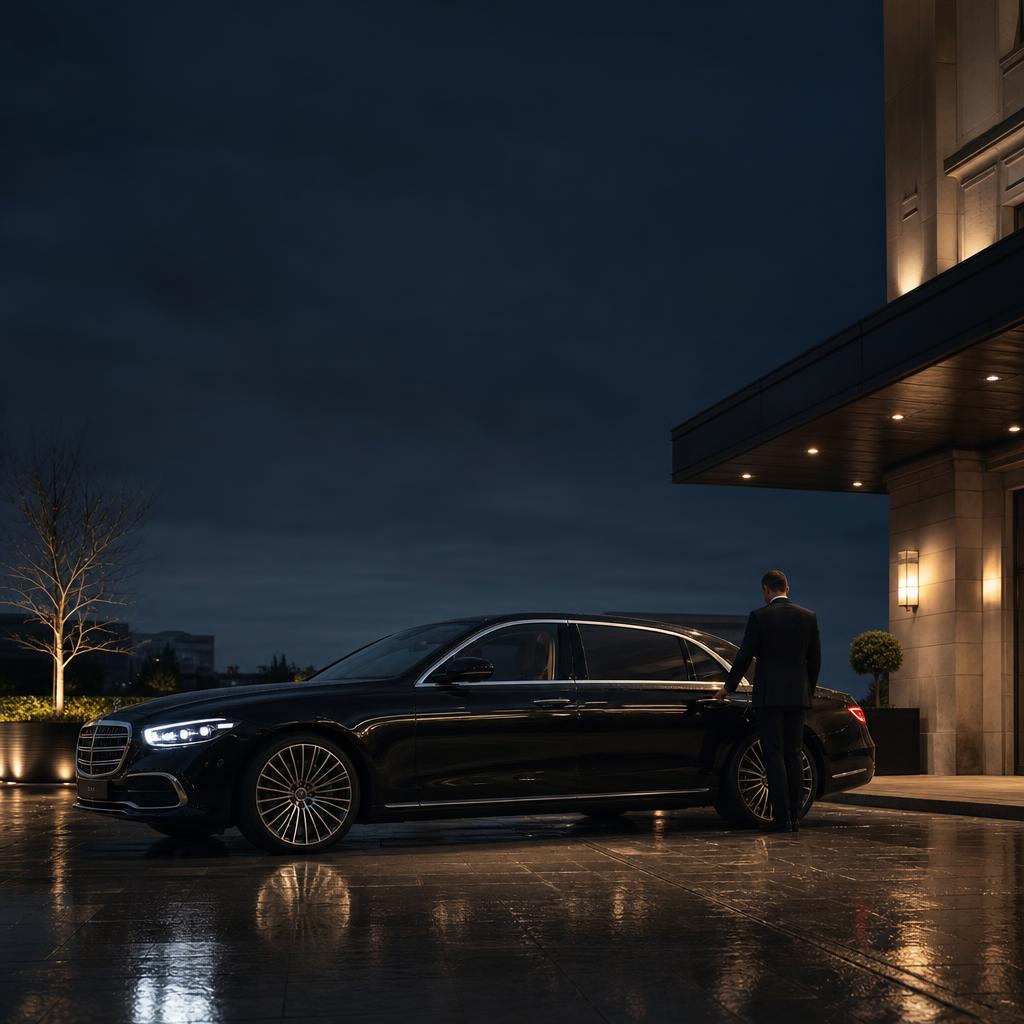
The practical part of arriving well is stepping onto a pavement rather than into a road, in one movement, with the door held. That is a positioning decision the chauffeur makes, and it is why the drop-off point is agreed in advance.
A Royal Ascot travel is not restricted to a single city. Cross-country journeys are routine, and long-distance itineraries are planned with driver hours and comfort stops built in.
Ready to arrange this journey?
Send us the details and we will confirm a vehicle and a fixed price. Every field on the quote form goes straight to our client service desk on WhatsApp.
Get a QuoteUseful links
Frequently asked questions
Related reading
All articlesRoyal Ascot: Getting the Arrival Timing Right
Working backwards from the schedule to a departure time that survives the approach queue at Royal Ascot.
Event GuidesRoyal Ascot: A Chauffeur Guide
Arrival windows, drop-off arrangements and standby cover for Royal Ascot.
Event GuidesRoyal Ascot: Group Travel Arrangements
Vehicle mix, coordinated arrivals and staggered departures when taking a group to Royal Ascot.
Event GuidesRoyal Ascot: A Planning Checklist
What to book, when to book it, and what to confirm with the venue before Royal Ascot.